Hemp THC Ban Delay: What It Means for Consumers
The future of hemp-derived THC products just changed again.
On August 8, 2026, the U.S. Senate approved legislation that would temporarily delay the upcoming federal restrictions on many hemp-derived cannabinoid products. If the Senate language becomes law, the scheduled November 12 deadline would be pushed back to December 11, 2026. According to Marijuana Moment, the proposal gives Congress additional time to work on a longer-term regulatory framework.
For consumers, retailers, farmers, and businesses across the hemp industry, the hemp THC ban delay could provide valuable extra time—but it does not mean the controversy surrounding these products is over.
What Was Supposed to Happen in November?
Federal legislation passed in 2025 changed the definition of legal hemp and created much stricter limits for finished hemp-derived cannabinoid products.
Under that framework, products containing more than 0.4 milligrams of total THC per container would generally fall outside the federal definition of legal hemp beginning November 12, 2026. The change could affect a wide range of products, including some full-spectrum CBD products as well as intoxicating hemp-derived products.
That approaching deadline created uncertainty throughout the hemp industry.
What Did the Senate Change?
The Senate rejected an amendment that would have kept the November 12 implementation date in place.
Instead, senators advanced a government funding bill containing language that would delay the restrictions on many naturally occurring hemp-derived cannabinoid products until December 11, 2026. The underlying funding bill then passed the Senate by a 90-6 vote.
The proposal would not provide the same reprieve for cannabinoids that cannot naturally occur in the cannabis plant; those products would still face the November deadline under the Senate language.
Why Does a Four-Week Delay Matter?
Four weeks may not sound like much, but for the hemp industry it could be significant.
Supporters of the delay argue that Congress needs additional time to develop a regulatory system rather than simply removing large categories of hemp-derived products from the market.
Potential regulations being discussed include measures such as:
- Age restrictions
- Product testing requirements
- Packaging standards
- Clearer labeling
- Manufacturing rules
- Limits on cannabinoids and serving sizes
- Taxation and retail controls
Several lawmakers have introduced or discussed proposals that would regulate hemp-derived cannabinoid products while preserving legal access to certain products for adults.
Why Some Lawmakers Still Want the Ban
Not everyone supports delaying the restrictions.
Opponents of intoxicating hemp products argue that the current marketplace can allow potent products to be sold with less oversight than state-regulated cannabis. Concerns have also been raised about products marketed in ways that could appeal to children, inconsistent testing, and synthetic or chemically converted cannabinoids.
A bipartisan group of state attorneys general has also urged Congress to keep tighter restrictions in place, arguing that states need clearer and more consistent rules.
The debate is increasingly becoming less about whether hemp should exist and more about how hemp-derived cannabinoid products should be regulated.
What About CBD?
One of the biggest concerns surrounding the federal changes is that they could affect more than highly intoxicating products.
Industry advocates have warned that certain full-spectrum CBD products containing naturally occurring trace amounts of THC could also be impacted by the extremely low per-container THC threshold. The White House has likewise urged Congress to preserve access to appropriate full-spectrum CBD products while establishing stricter rules for products viewed as higher risk.
That distinction matters because CBD products have become a major part of everyday wellness retail.
What This Means in New Jersey
Federal law is only one part of the picture.
New Jersey already has its own rules governing intoxicating hemp-derived products. State legislation signed in 2026 created a regulatory framework and changed which products qualify as hemp under New Jersey law. According to the New Jersey Cannabis Regulatory Commission, certain products exceeding state THC limits or involving chemically synthesized cannabinoids no longer meet the state’s definition of hemp.
New Jersey also specifically regulates intoxicating hemp beverages, including retail and tax requirements.
That means a federal delay does not automatically make every hemp-derived product legal for sale in New Jersey. Retailers and consumers still have to follow state law.
What Does the Hemp THC Ban Delay Mean for Scarlet Reserve Customers?
For wellness customers, the biggest takeaway is that the federal hemp conversation is still developing.
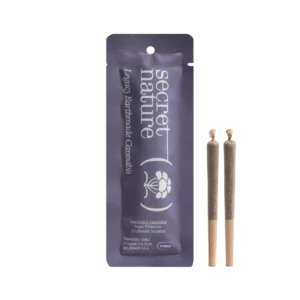
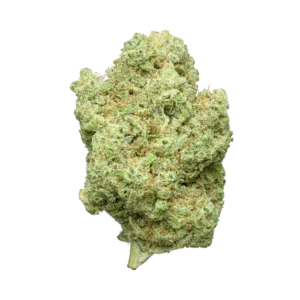
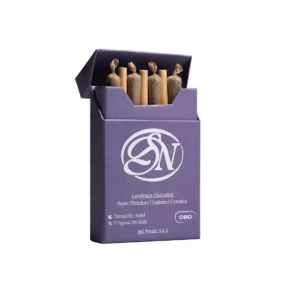
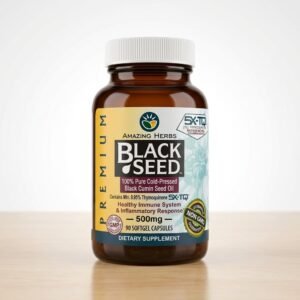
Products containing hemp-derived cannabinoids such as CBD remain an important part of the wellness marketplace, but the rules surrounding specific formulations, THC amounts, and product categories continue to change.
At Scarlet Reserve in Matawan, our focus remains on offering thoughtfully selected wellness products while keeping up with evolving federal and New Jersey regulations.
That includes products such as:
- CBD gummies
- CBD tinctures
- CBD wellness products
- Functional beverages
- Mushroom products
- Sea moss gummies
- Wellness shots
- Hydration products
- Other non-intoxicating wellness options
Is the Hemp Ban Officially Delayed?
Not yet.
The Senate has approved the extension, but the House must still agree before the delay becomes law. Cannabis Business Times has also reported on the latest developments as Congress continues negotiations.
So the current situation is best described as:
The Senate has voted to delay the federal hemp THC restrictions, and the proposal is now awaiting further congressional action.
Until Congress finishes that process, the November 12 deadline technically remains the existing federal deadline.
Regulation Instead of Prohibition?
The next few months could determine the long-term future of America’s hemp-derived cannabinoid industry.
Some lawmakers and industry groups are pushing for a framework that would allow regulated adult access while establishing stricter standards for testing, packaging, age verification, and manufacturing. Others believe broad federal restrictions are necessary to address safety concerns.
The Senate’s hemp THC ban delay gives Congress additional time—if the House ultimately agrees—to decide which path it wants to take.
Stay Informed With Scarlet Reserve
Hemp and CBD regulations are changing quickly, and the rules can be confusing for consumers.
Scarlet Reserve will continue following developments affecting hemp-derived wellness products and sharing updates as federal and New Jersey policies evolve.
Visit Scarlet Reserve in Matawan, NJ, or explore our wellness selection online to discover CBD products, functional beverages, supplements, mushroom products, hydration options, and other additions to your daily wellness routine.
This article is provided for general informational purposes and should not be considered legal advice. Hemp and cannabinoid laws can change, and product legality may vary based on federal, state, and local regulations.